
4.3 Detailed Explanation of Velvet Strip Issues
Share
The following insights are based on the author’s years of teaching experience and are not absolute. Please refer to them as a guide and use the text below to identify potential issues in your own crafting process.
1. Problems after folding the velvet strip (e.g., uneven petals, split threads, gaps, fraying, or shedding at the petal tip)
Check the following steps for potential issues:
(1) Did you apply excessive hand cream to your hands or the silk thread before combing?
If your hands are rough and you worry about damaging the thread, it is recommended to trim any hangnails or apply hand cream regularly before bed for maintenance. However, avoid applying too much hand cream immediately before combing, as it can cause the threads to stick together and affect the fluffing process. Additionally, static electricity during combing is normal. Refer to the classic troubleshooting article on the website for solutions. Important: Do not apply hand cream directly to the silk thread, as oily threads will clump together, preventing the velvet row from fluffing up properly.
(2) Are the threads in the velvet row crossed or twisted?
Before tying the brass wire, the threads in the velvet row should generally remain parallel. Avoid over-combing the entire row at once. Beginners can use a segmented approach to organize the velvet row.
(3) Is the brass wire straightened and tightly twisted?
If the brass wire is not straightened, the velvet strip will appear twisted and lack transparency. If the brass wire is not tightly twisted, the finished velvet strip may have noticeable gaps and shedding.
(4) Is the amount of velvet thread too much or too little?
Too much velvet thread can cause the strip to deform easily, and the brass wire may not support the excess, leading to splitting in the middle. Too little velvet thread may fail to cover the brass wire, resulting in visible sparse areas. Refer to Chapter 3, Section 6 for the specific formula.
(5) Are there any knots left uncleaned in the velvet row?
A properly combed velvet row should meet the following criteria:
- ① Smooth (threads are untangled, not crossed or twisted);
- ② Fluffy (only fluffy texture can create soft yet dense velvet strips);
- ③ Consistent (threads maintain continuity and integrity from top to bottom).
If knots remain, they act as impurities, preventing the velvet strip from achieving a clear and perfect finish.
(6) The spacing of the brass wire and the amount of velvet thread also determine the fineness of the velvet strip.
If the brass wire spacing is 0.5–1.2 cm and the velvet strip produced using the standard formula has appropriate density, the spacing for folded fluffy styles should be maintained at 0.8–1 cm.
(7) Is the alignment and tapering of the velvet done smoothly?
Aligning the velvet is crucial for achieving a smooth strip. If the brass wire is not centered during alignment, the twisted velvet strip may show obvious jagged edges. However, even if the alignment is not perfect, do not worry excessively—keeping it relatively neat is sufficient. The subsequent tapering velvet step will help refine the strip for a smoother finish. If the strip remains uneven after tapering, folding it may result in irregular or jagged edges.
(8) Could the issue be with the thread itself?
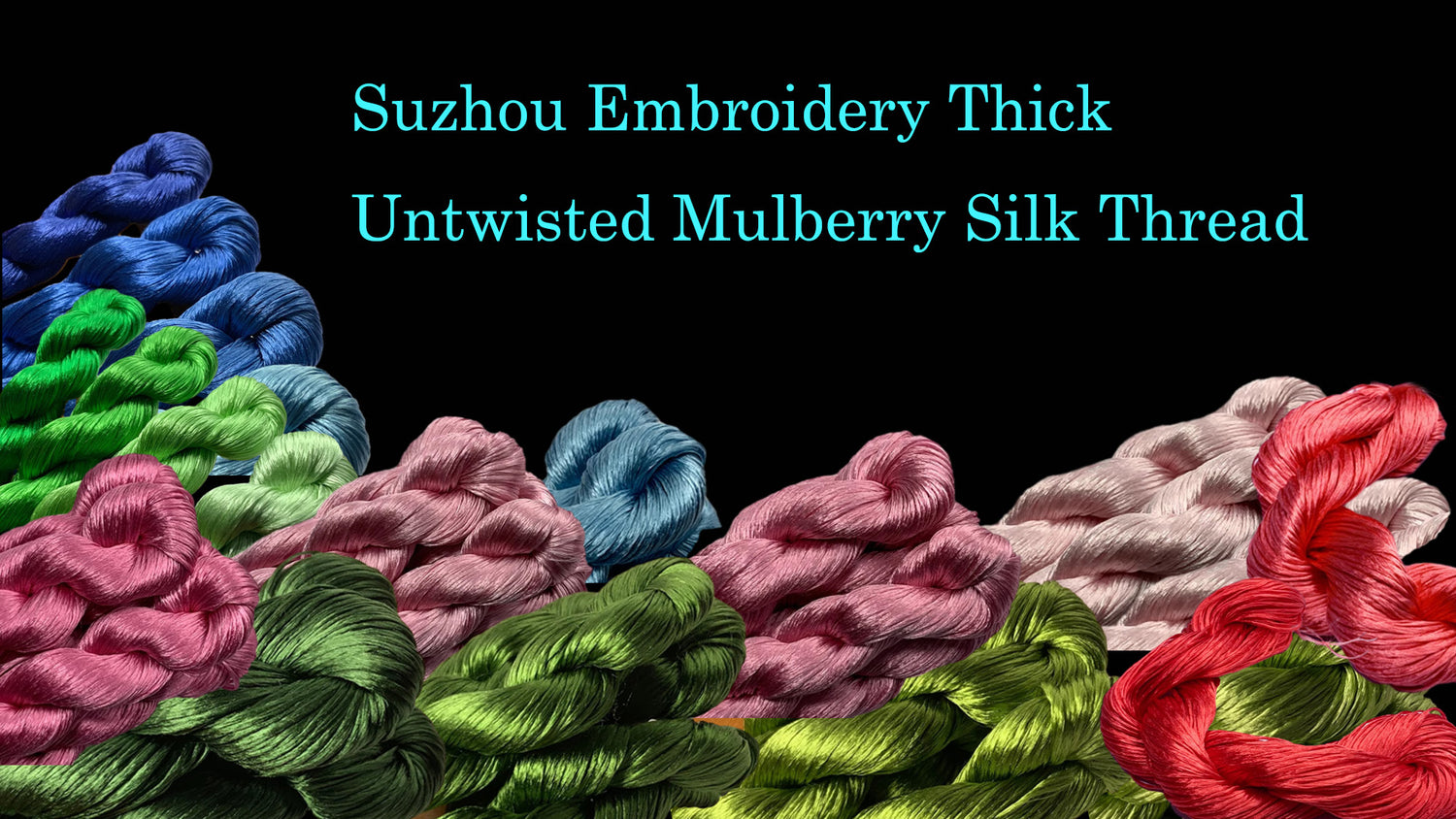
During processing, if the thread comes into contact with smoothing agents or other chemical additives, or if degummed silk is not thoroughly rinsed, the thread may appear "oily." If the thread feels greasy and difficult to fluff, wash it with an oil-removing detergent (e.g., clarifying shampoo, silk-specific detergent, or dish soap), rinse thoroughly, and air-dry in a shaded area before use. If you have newly purchased thread and are not in a hurry to use it, there is no need to wash it immediately. However, it is recommended to remove it from its packaging to avoid prolonged sealed storage. Hang it in a well-ventilated area to allow air exposure. After 3–6 months of natural oxidation, the greasy feel on the thread surface will significantly diminish.
2. Issues after flattening the velvet piece, such as flattened pile, exposed brass wire, uneven petals, or severe brass wire marks
(1) Causes of flattened pile
The clamp temperature is too low, preventing the pile on the petals from being fully flattened. If not set properly, the pile may fluff up again over time.
(2) Causes of exposed brass wire
The positioning of the clamp is incorrect. When pressing, the clamp should start from the base of the petal rather than pressing parallel to the petal directly. Pressing incorrectly can misalign the pile, causing the brass wire to become visible. Refer to the chapter on making camellia petals for guidance.
(3) Causes of uneven petals
One reason is an uneven velvet strip, with more pile on one side and less on the other. Another reason is excessive knots within the velvet strip, which can create bumps and unevenness when flattened. Both issues stem from carelessness during the velvet strip-making step. While flattening can mask some technical flaws, finer velvet strips yield better flattened results. Therefore, even for flattened designs, the velvet strip should be crafted meticulously.
(4) Causes of severe brass wire marks
Excessive clamp temperature or too many passes through the clamp can leave pronounced brass wire marks on the velvet piece. It is recommended not to exceed three passes. Additionally, when pressing, simply flatten the petals—avoid applying excessive force, as this can imprint the brass wire’s outline onto the petals.
3. Additional Insights
1. Silk thread quality is crucial. Beginners should avoid buying large quantities of thread blindly. Instead, purchase small samples to test.
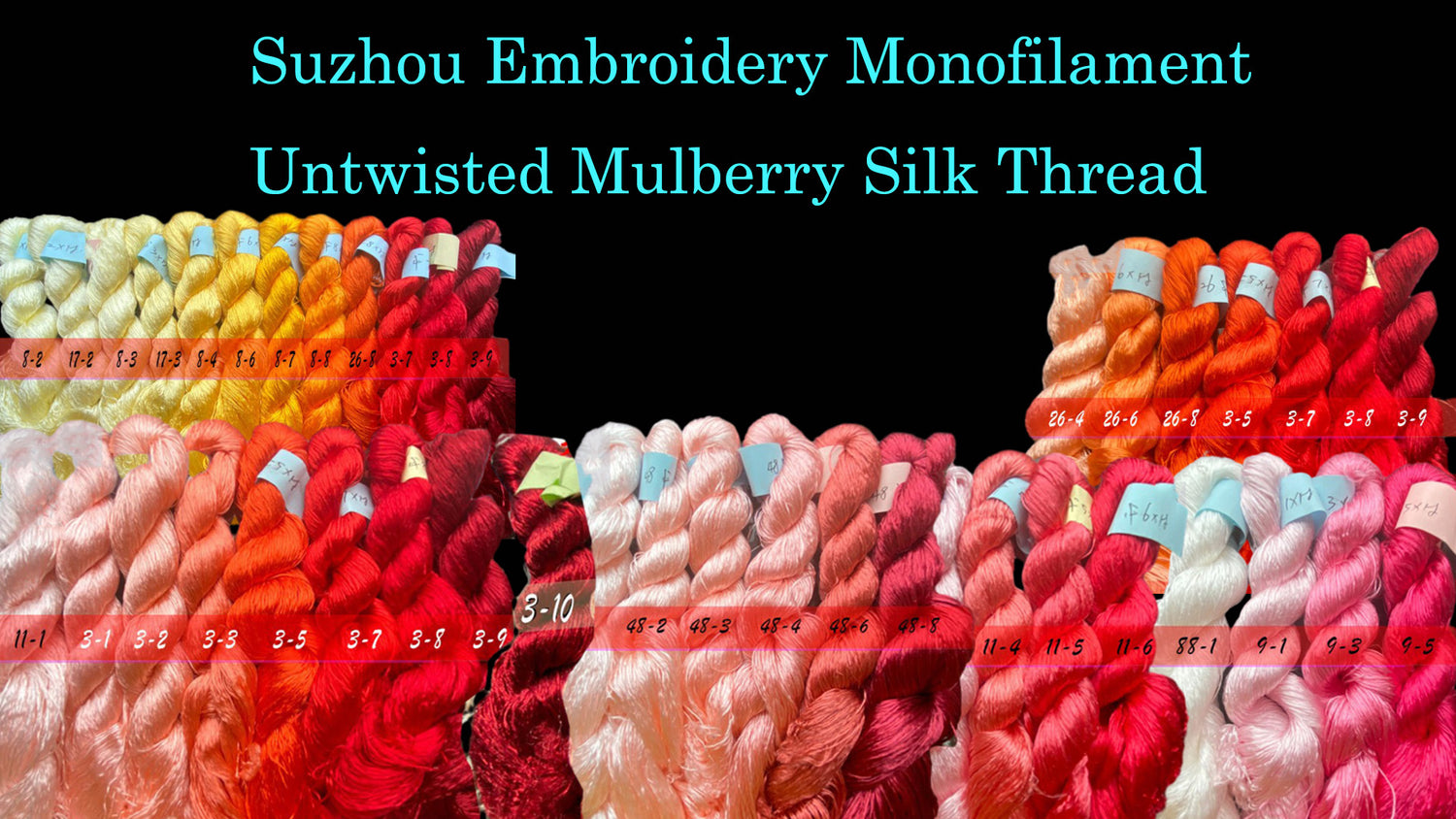
2. Color variations may occur due to manual dyeing processes, even within the same type of mulberry silk thread. This is normal.
3. Thread curling or twisting is common and not a quality issue. Gently comb to untangle the threads, then straighten them using the lowest clamp setting (avoid pressing too hard). Issues such as overly dry thread, severe tangling, excessive "small twist" knots, or threads breaking under minimal combing pressure indicate quality problems.
4. If fine velvet strips produced using the book’s method are not fluffy enough, gently scrape the strip with tweezers to add fluffiness (avoid excessive force to prevent bending).
5. If working in an overly dry environment, place a humidifier nearby during the combing step to reduce static electricity interference.
6. Patience is key—slow and steady wins the race.